Microsoft, Google, Apple, Windows, Android, iOS, Internet, Cyber Security, Hacking, Malware, Smartphone, Mobile App

Trending

Scientists restore knee cartilage using targeted injection

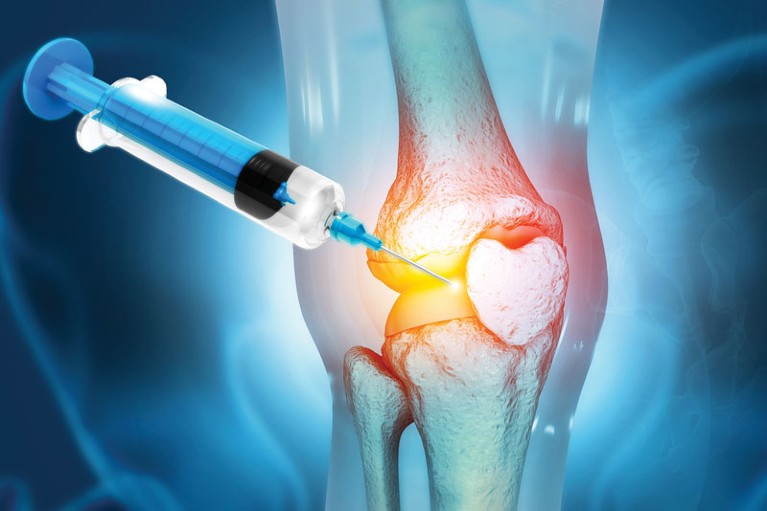
A simple injection that blocks an age-linked protein regrows knee cartilage in older mice and prevents arthritis after knee damage. Human knee tissue exposed to the same blocker starts forming new cartilage, opening a path beyond pain medicine and joint replacement.

Red-stained slices of mouse knees showed the cartilage layer thickened after treatment, even when the animals were already old.

By tracking how much cushion returned, Nidhi Bhutani, Ph.D., at Stanford Medicine tied the regrowth to blocking one protein.

Her team tested both belly and joint injections and saw cartilage rebuild across the knee surface, not just in one spot.

Such regrowth clashes with a hard truth about knees: once cartilage thins, the body usually cannot replace it on demand.

Why knees fail

Across the United States, arthritis affects about one in five adults and keeps orthopedic waiting rooms busy.

In knee osteoarthritis, a slow joint disease that wears down cartilage, cartilage cells send inflammatory signals and the joint loses its smooth glide.

Without a fresh cartilage layer, bones rub more, swelling follows, and everyday moves like standing or stairs can feel like a grind.

Direct medical costs for osteoarthritis reach about $65 billion each year, before accounting for lost income and long-term disability costs.

An aging enzyme

In the new work, levels of 15-PGDH, an enzyme that shuts off repair signals, rose about twofold in aging cartilage.

That repair signal was prostaglandin E2, a hormone-like molecule that helps tissues respond to injury, and 15-PGDH normally destroys it.

When researchers blocked the enzyme, prostaglandin E2 stayed around longer, and cartilage cells acted more like they did in youth.

Because enzymes often respond to blockers, 15-PGDH gave the team a practical place to intervene with a drug.

Rewiring cartilage cells

Instead of adding new cells, the inhibitor coaxed existing knee cartilage cells to rebuild the surface that lets bones slide.

Scientists call those builders chondrocytes, cells that make and maintain cartilage, and they changed their internal settings after treatment.

Rather than turning into tougher scar-like cartilage, the repaired tissue behaved like normal joint cartilage and supported movement across the knee.

“The mechanism is quite striking and really shifted our perspective about how tissue regeneration can occur,” said Bhutani.

After knee injuries

For many athletes, an ACL, a key knee ligament that controls twisting, can tear and raise arthritis risk for years.

Long-term studies put about half of ACL-injured knees on a path to osteoarthritis within five to 15 years.

In the mouse injury model, injections given twice a week for four weeks cut osteoarthritis-associated pain and preserved cartilage after damage.

“Cartilage regeneration to such an extent in aged mice took us by surprise,” said Bhutani.

Inside cartilage cells

Looking cell by cell, the team found old cartilage held a mix of chondrocytes geared for breakdown and others geared for repair.

Treatment pushed gene expression, how cells turn genes on and off, away from inflammation and toward rebuilding the cartilage scaffold.

After treatment, many more cartilage cells shifted into a repair mode, while fewer stayed stuck breaking tissue down.

That rebalancing suggests the drug did not patch a hole, but instead nudged the whole joint lining back toward function.

Human samples in the lab

Under lab conditions, cartilage taken from knee replacements started to recover when it received the same inhibitor used in mice.

Within one week, treated samples showed fewer 15-PGDH-positive chondrocytes and lowered signals tied to cartilage breakdown.

Growth also resumed in the supporting scaffold, helping new cartilage form with the structure needed to handle normal joint stress.

Since the tissue came from end-stage knees, the lab result sets a high bar but cannot predict healing inside a living joint.

Drug development path

Separate Phase 1 work found the oral drug MF-300 was safe and active in healthy volunteers.

Developers are testing it for sarcopenia, an age-related muscle loss that weakens strength, because 15-PGDH blocking can raise prostaglandin E2.

For cartilage, an injection could keep most of the drug near a single joint, which may reduce body-wide side effects.

A pill would be easier to take, but it would have to reach the knee in enough dose to matter.

Risks and next tests

Mouse knees heal faster than human knees, so researchers will need careful trials before anyone injects this inhibitor clinically.

Careful dosing is essential because any drug that alters cell signaling can backfire, and excessive amounts in the wrong location could worsen pain.

Long follow-up must show the rebuilt cartilage stays durable and does not trigger unwanted bone growth or joint stiffening.

For athletes with an ACL tear, early repair might still matter, but a drug that protects cartilage could change recovery plans.

Future of cartilage treatment

By turning old cartilage cells back toward building, the inhibitor points to a regenerative strategy that could pair with physical therapy or surgery.

Human trials will decide whether a simple knee injection can delay joint replacement, especially after ACL injuries that now leave lasting damage.

Comments are closed.

This website uses cookies to improve your experience. We'll assume you're ok with this, but you can opt-out if you wish. AcceptRead More

Privacy & Cookies Policy